Renovations in La Orotava
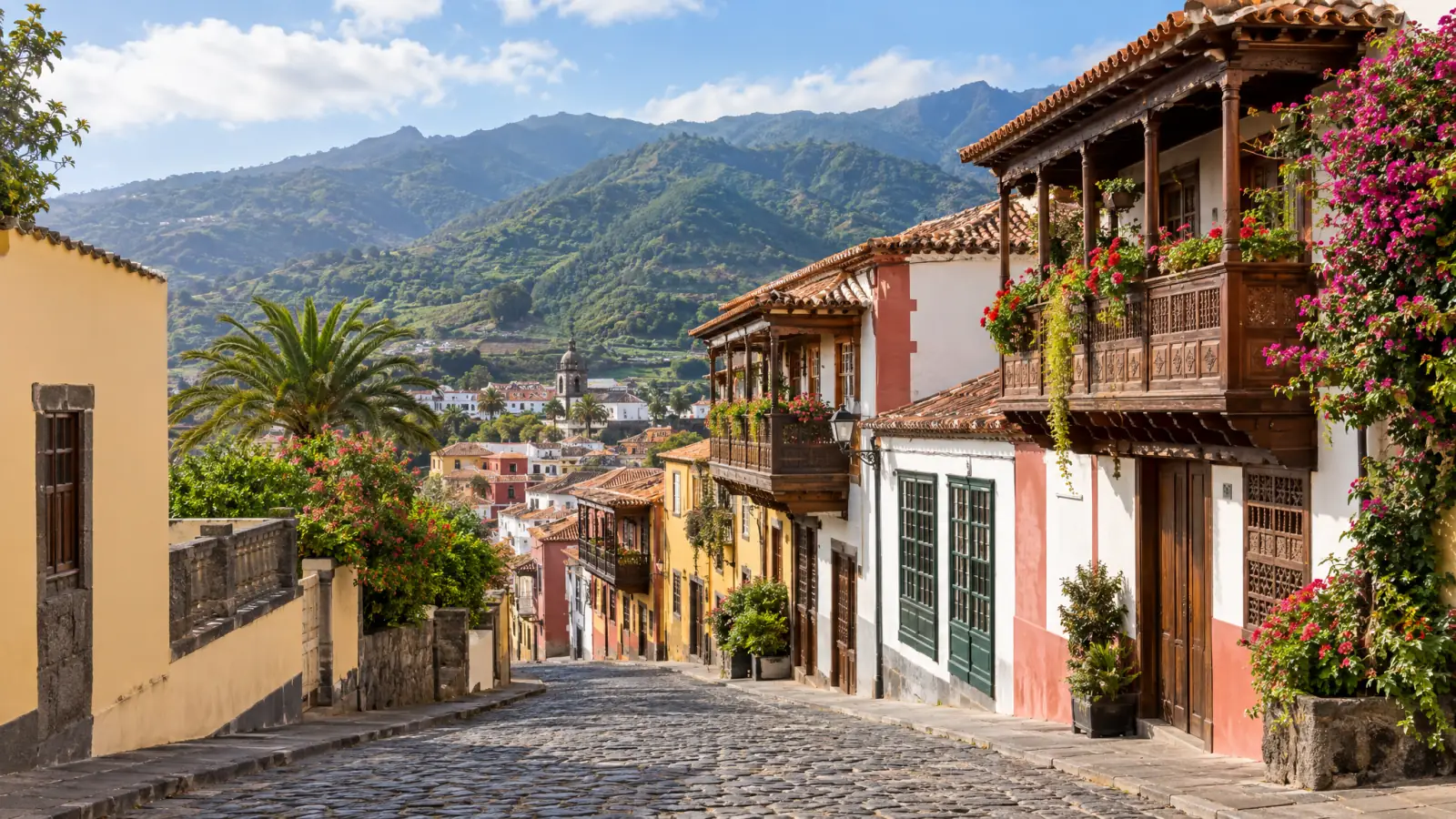
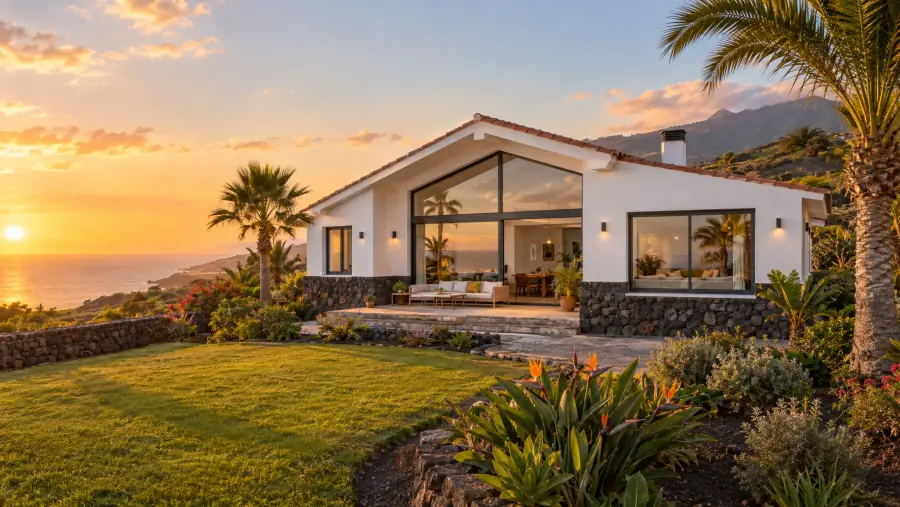
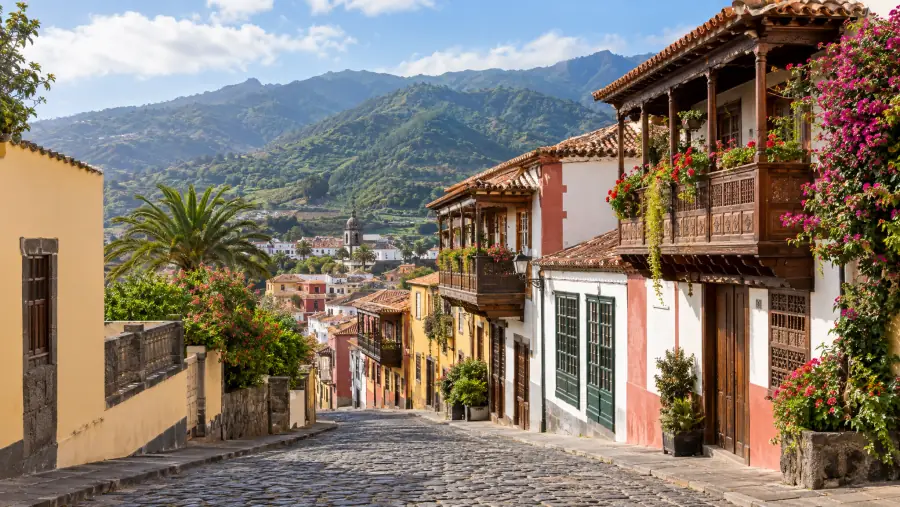
La Orotava is the largest municipality in Tenerife and climbs from the sea to Las Cañadas del Teide, so within the same boundaries you find the balconied houses of the protected historic centre, traditional homes in the midlands and recent construction lower down. Renovating here almost always means dealing with two things: buildings made of stone, mud and tea-pine timber, and a humid climate that has been working against them for decades.
Most requested renovation services in La Orotava

How renovations are done in La Orotava
The old-town house: tea pine, clay tiles and stonework
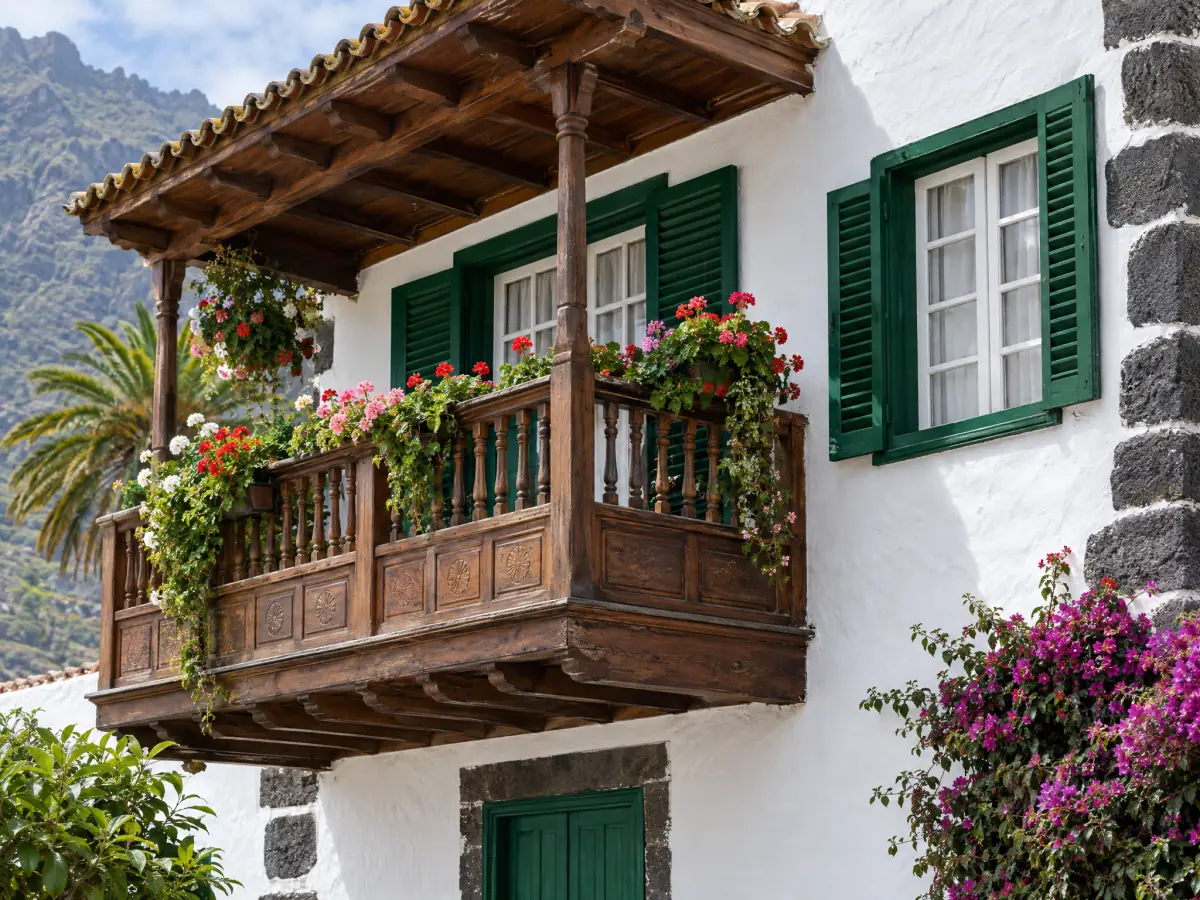
The traditional Orotava house is built with very thick rubble walls bonded with mud, openings framed in dressed stone, floors in tea (the resinous heartwood of the Canary pine) and a roof of curved clay tiles (teja árabe) laid on timber boarding. When we open up one of these houses, the first place we look is the beam ends where they go into the wall: that’s the point that rots without any sign from below, because the damp in the wall and the lack of ventilation meet right there. That diagnosis, made before quoting, is what separates a realistic quote from one that falls apart in the second week.
There’s one technical decision in these houses that makes the difference between solving the problem and making it worse: the mortars. Rendering a stone-and-mud wall with cement mortar and plastic paint looks like a clean finish, but what it does is seal the damp inside the wall, which ends up coming out higher up, pushing the render off and rotting the timber next to it. In traditional construction you work with lime mortars and vapour-permeable finishes, which let the wall dry. It’s slower, it costs more and fewer people do it well, but it’s what works.
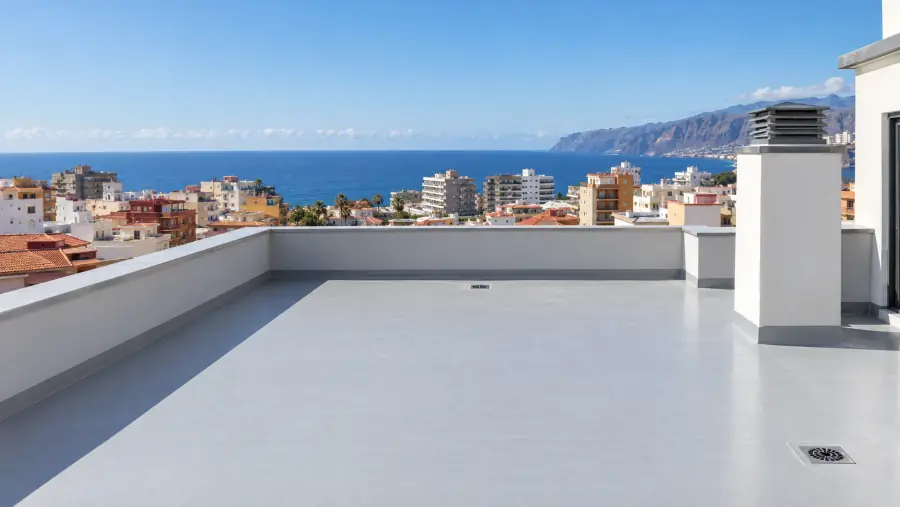
The roof is the other big chapter. Renewing it usually means taking the tiles off, checking and treating the boarding and the timber structure, sorting out insulation and waterproofing underneath and relaying the tiles, often reusing the originals, because old tiles have a colour and texture new ones don’t imitate, and in a protected area that matters. And the junctions with the walls and eaves have to be done properly, because that’s where water gets in when the rain is driven by the wind.
Damp, rising damp and homes in the midlands
The Orotava valley is on the north side and takes the trade winds head-on, with low cloud resting on the slope for much of the year and rain that arrives sideways more than downwards. That pattern produces three problems we see again and again: rising damp at the base of the walls, which were built without any barrier against moisture from the ground; condensation in cold, poorly ventilated rooms; and water getting in through the north-facing facade, which never quite dries out between one spell of rain and the next.
Alongside that come woodworm and termites, which in old timber structures aren’t a remote possibility but a risk that has to be actively ruled out before closing up ceilings and partitions. Treating the timber while it’s exposed is cheap; finding the problem after the job is finished is very expensive. That’s why in these houses we insist on a prior inspection phase with exploratory openings, even if it delays the start.
In the midlands (La Perdoma, San Antonio, Benijos, Aguamansa, Pinolere) there’s also the slope. Plots are terraced, houses rest on old retaining walls and many were extended in stages over generations, with a different building method in each part. Renovating there means understanding what was done in each period before proposing anything, because what works for one part doesn’t work for the one next to it.
Working on steep, narrow streets
La Orotava’s old town is laid out on steep, narrow streets, many cobbled and some pedestrianised, where a large lorry simply can’t get in and where putting a rubble skip at the door isn’t always possible. The work is done with small vehicles, with builder’s bags instead of a skip, restricted loading times and materials stored inside the house. It’s slower logistics and that has to be stated in the quote, not discovered on site.
The old town also has its own calendar. During Corpus Christi, when the streets are taken over by the carpets and the preparations for them, traffic and access change completely for days. It’s a detail an outside contractor misses, and one that makes us plan the noisy phases and the material deliveries around those dates.
Building permits in La Orotava
- Prior notification
- Minor works
- Major works with project
La Orotava’s old town is protected as a historic ensemble (conjunto histórico) and has a catalogue that gives each building a level of protection. That means jobs which in another municipality would be minor (changing the external windows and doors, painting or rendering the facade, replacing the tiled roof, altering an opening) here affect a protected asset and may need a report from the heritage department as well as the council permit.
Outside the old town the logic is the usual one: interior work that doesn’t touch structure, layout or outside appearance usually goes through a prior notification (comunicación previa) or self-declaration (declaración responsable), and work on structure, roof, volume or facade needs a permit with a technical project and site supervision by an architect or engineer (dirección facultativa). In traditional houses, replacing timber floors or the roof structure almost always falls into the second group, even if from the inside it looks like maintenance.
There’s one more layer worth checking in this municipality because of its size: a large part of it is rural land (suelo rústico) and protected areas that reach up to the Teide, with specific conditions for building, extending or consolidating. We check which rules apply to your plot and handle the application, without giving you fee amounts or decision times that don’t depend on us.
We don’t publish fee amounts or specific administrative timeframes, because they change with each bylaw and an out-of-date figure is worse than none. We check them on the town hall’s online portal (sede electrónica) before giving you a start date. You will find the general framework in the guide to building permits in Tenerife.
Parts of La Orotava where we work
We work in the historic centre and its surroundings, in the lower districts such as La Cruz Santa, Los Gomeros, San Isidro and El Rincón, and in the valley’s midlands: La Perdoma, San Antonio, Camino de Chasna, Benijos, Aguamansa, Pinolere, La Florida and Las Candias. The higher you go, the more access and slope weigh on how the job is organised.
Frequently asked questions about renovating in La Orotava
The questions we are asked most often on site visits. If yours is not here, ask us directly.
Can I replace the clay-tile roof with a cheaper solution?
If the house is inside the historic ensemble or in the catalogue, the short answer is no: the curved clay tiles are part of what the protection preserves, and what’s done is to take them off, sort out insulation and waterproofing underneath and relay them, reusing the original tiles as far as possible. Outside the protected area there’s more leeway, although in a traditional house changing the material rarely pays off in the long run.
The bottom of my walls is damp and the paint is lifting. Can it be fixed?
That’s rising damp: the wall absorbs moisture from the ground and lets it out wherever it can. It can be fixed, but not with waterproof paints that shut it in. The way forward is to let the wall breathe with vapour-permeable finishes, lime mortars and, depending on the case, better drainage around the house and better ventilation. Anyone who offers to solve it with just a coat of paint is selling you a postponement.
Can a new bathroom be added to an old house in the old town?
Usually yes, and it tends to be one of the improvements that most changes how the house is used. The difficulty isn’t the bathroom but the route of the services: water and drainage have to be brought in without cutting aggressive chases into historic walls or drilling through tea floors carelessly. It’s solved by finding routes through unprotected areas and making use of courtyards and false ceilings.
Does renovating a traditional house cost more than a flat?
Per square metre, it usually sits in the upper part of the usual €500–€1,500/m² range, for two reasons: the trades that specialise in timber, lime and stonework are more expensive, and there’s more uncertainty beneath what you can see. That’s why in these houses we make exploratory openings before finalising the quote and tell you which line items are confirmed and which depend on what turns up when we open up.
Neighbouring municipalities
We also work in Puerto de la Cruz, Los Realejos and Santa Úrsula, and in the rest of the north.
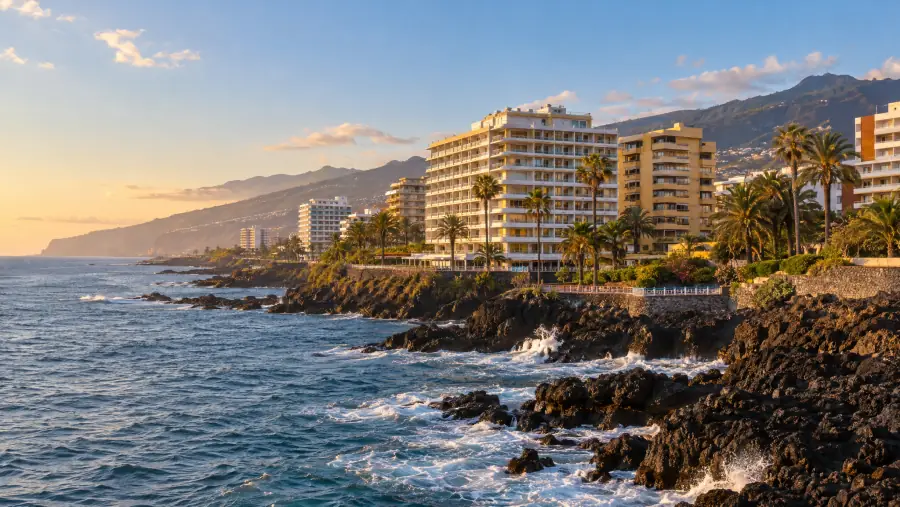
Renovations in Puerto de la Cruz
View the municipality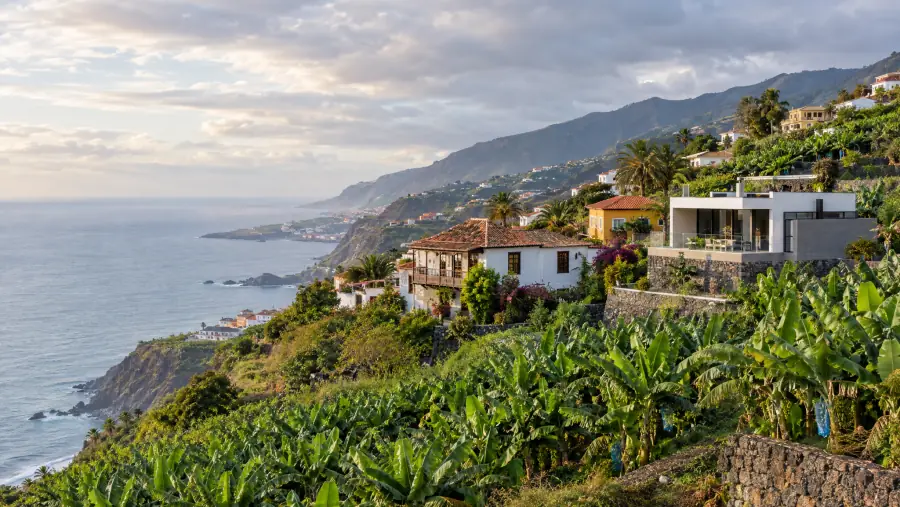
Renovations in Los Realejos
View the municipality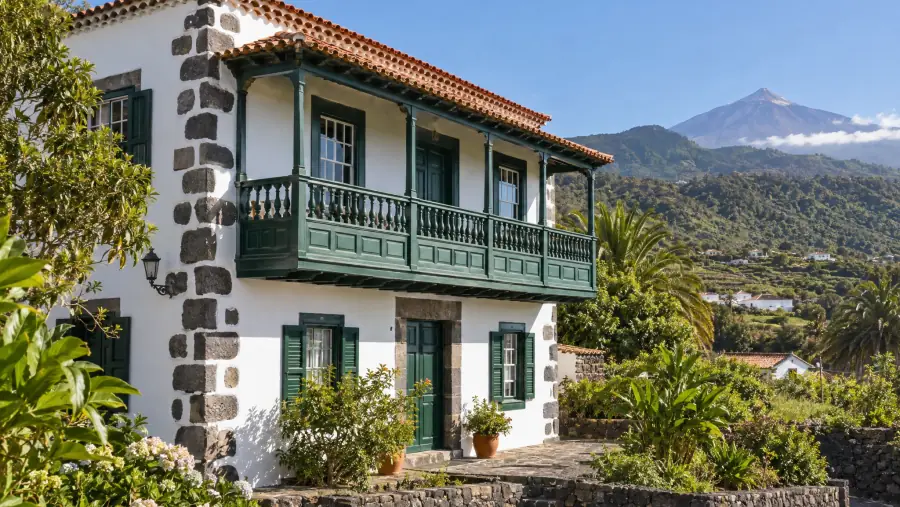
North
All municipalities in the area
View the areaPage last reviewed: 14 August 2026.
See what yours costs in La Orotava
Choose what you want to do, the finishes and the style, and the planner gives you the guide price, the timeline and the permit. No details needed.
Plan my renovationStarts with your municipality already selected
Renovating in La Orotava?
Tell us what you want to do. Free site visit and a fixed-price quote, itemised line by line.
- Free site visit anywhere on the island
- Fixed-price quote, itemised line by line
- Your details are not passed on to third parties
Prefer to talk? +34 822 263 441
Shall we put a price on your renovation?
Tell us what you want to do and where on the island. We call you, visit the property and send you a fixed-price quote, itemised line by line. No cost and no commitment.