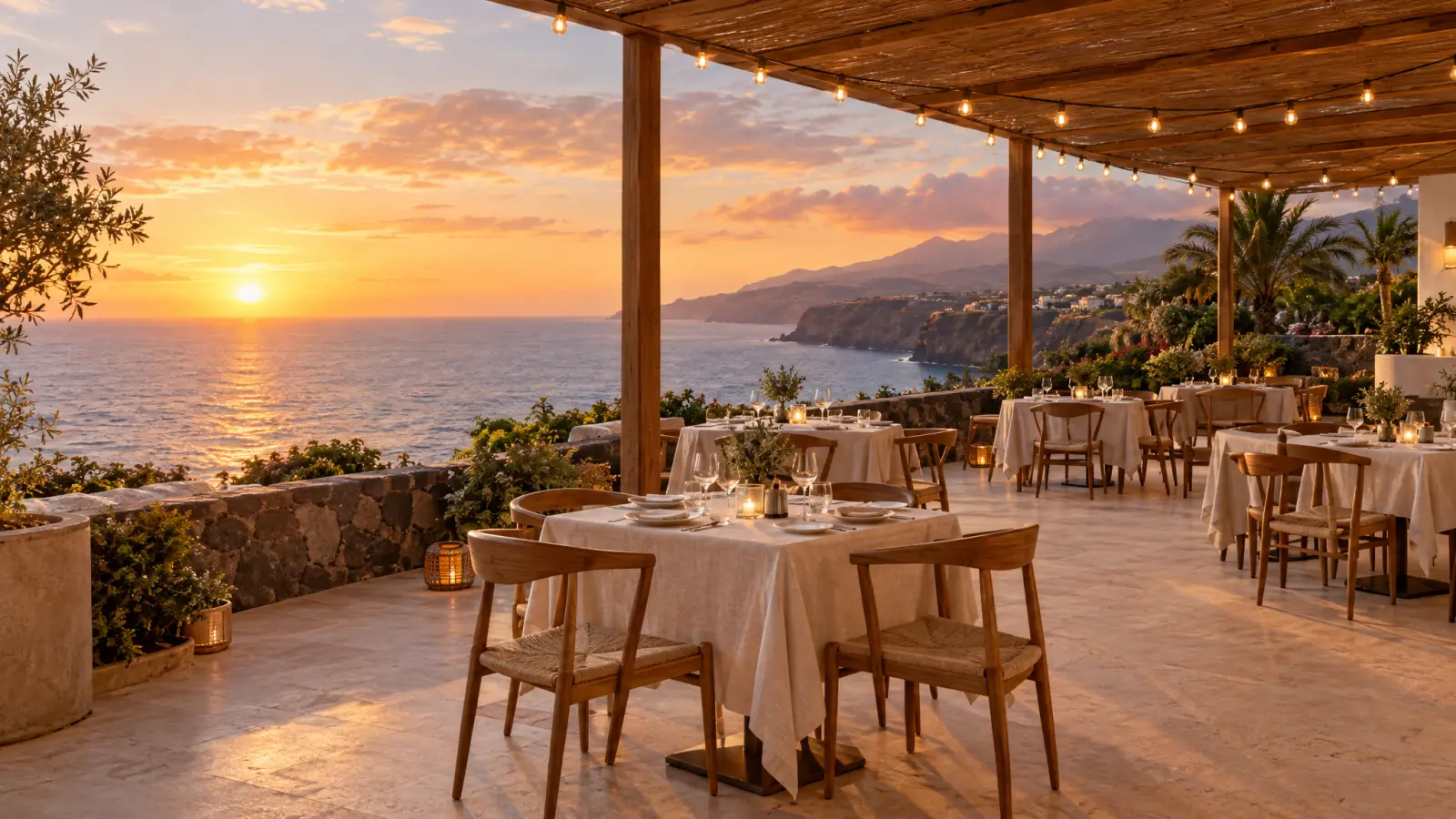
Hotel and restaurant renovation in Tenerife
In a tourism business every day closed has a known cost, which is why the renovation is won or lost on the calendar as much as on site. Working floor by floor or zone by zone with the establishment open, or concentrating everything into a short window between seasons, are two different ways of planning the same job.
Free site visit and quote anywhere on the island. Reply within 24 working hours, in English.
The real question in hospitality isn’t how much the works cost but how many days you’ll be closed. That’s why the first thing we put on the table is the strategy: renovating in phases with the business open, keeping the works area separate from guests, or concentrating everything into a short window between seasons with more resources working at once.
The second difference from domestic works is regulation. Commercial kitchens, smoke extraction, evacuation, accessibility and health conditions all have their own requirements, and a renovation that ignores them is one that can’t open afterwards. That’s sorted out before starting, with the relevant professional, not when the inspection arrives.
What this service includes
- Planning the works around your calendar. What gets done with the business open, what requires closing and for how many days, realistically. It’s the most valuable part and the one defined first.
- Renovating rooms and common areas in phases. Working floor by floor or block by block, with works access kept separate from guest access wherever the building allows.
- En-suite bathrooms in series. The repetitive job par excellence in a hotel, and where good organisation of the trades greatly reduces the days per unit.
- Commercial kitchens and service areas. Installations, extraction, washable surfaces and finishes that stand up to intensive use and aggressive cleaning.
- Dining room and terrace. Layout, lighting, acoustics and flooring that can take the real footfall of a full venue, which is nothing like that of a home.
- Coordinating the trades to a fixed schedule. In a short window between seasons, planning is everything: if one trade misses a day, the opening moves.
- Handover zone by zone, ready to use. Each phase is completed and cleaned so it can be put back into service before the whole job is finished.
What is NOT included
This list matters as much as the first one, and hardly anyone publishes it. Any of these items can be added to the quote: what we don’t want is for them to turn up halfway through the job as a surprise.
- Applying for activity or opening licences or for changes to tourist classification, which follow their own procedure and technical documentation.
- The project and technical supervision when the renovation requires them, which are contracted with the qualified professional.
- Furniture, linen, tableware and kitchen equipment, unless expressly included as line items.
- Full adaptation to fire safety or accessibility regulations when the renovation requires the whole building to be reviewed: it’s assessed with the professional and quoted separately.
- Damages arising from delays outside the works, such as a delivery that doesn’t arrive on time, although we anticipate them and warn you as soon as they’re spotted.
- Dealing with tour operators, booking platforms or guests affected during the works period.
How much it costs in Tenerife
We don’t publish prices for hotel or restaurant renovation because the range is huge and depends on the scope, the level of finish and above all the demands of the schedule. What we can explain is what’s assessed and why.
- The number of repeated units. In a hotel, forty identical bathrooms are priced per unit and the unit price drops with scale, because the trade comes in once and works through them one after another.
- The scope by zone: rooms, bathrooms, common areas, kitchen and terrace have very different costs per metre. The commercial kitchen is usually by far the most expensive zone.
- The installations and the applicable regulations: extraction, air conditioning, fire protection, domestic hot water and electrics sized for intensive use.
- The level of finish, which in hospitality isn’t only about looks: materials have to withstand daily cleaning and constant traffic, and cutting corners here is paid for within two years.
- The demands of the schedule. Concentrating the works into a short window means more teams working at once and sometimes longer working days; that has a cost, which appears explicitly in the quote.
- The logistics of the establishment: separate access, use of the goods lift, permitted noise hours and storing materials without encroaching on guest areas.
Any figure before the site visit is a guide, and in hospitality even more so, because the schedule changes the whole approach. In the Canary Islands IGIC, the local indirect tax, is charged instead of VAT, and it is always shown separately.
Timeframes
Depends on your operating window
Timescales here aren’t measured in abstract weeks but against your calendar. If there’s a window between seasons, the works are sized to fit into it, even if that means more trades working at the same time. If the work goes ahead with the business open, the overall timescale is longer but you don’t lose revenue. In both cases there are times that can’t be compressed, such as the curing of mortars and waterproofing and material delivery times, which on the island are best booked well in advance. Honest planning means telling you, before signing, what’s realistic and what isn’t.
How we work
We manage the works, and they are carried out by professional tradespeople from the island, chosen by us for each line item. We don’t have a crew on the payroll and would rather say so up front: you sign one contract, speak to one person and we answer for the whole job. We explain it plainly in about us.
- Site visitWe come to the property, measure up and check the plumbing and electrics. Free.
- Fixed-price quoteWithin 3–5 days: every line item with price, finishes and timeframe.
- Permit and scheduleWe handle the permit and line up the trades with no dead time.
- Supervised worksProgress updates with photos. Any change is approved before it is made.
- HandoverFinal walk-through with you and a closed snagging list.
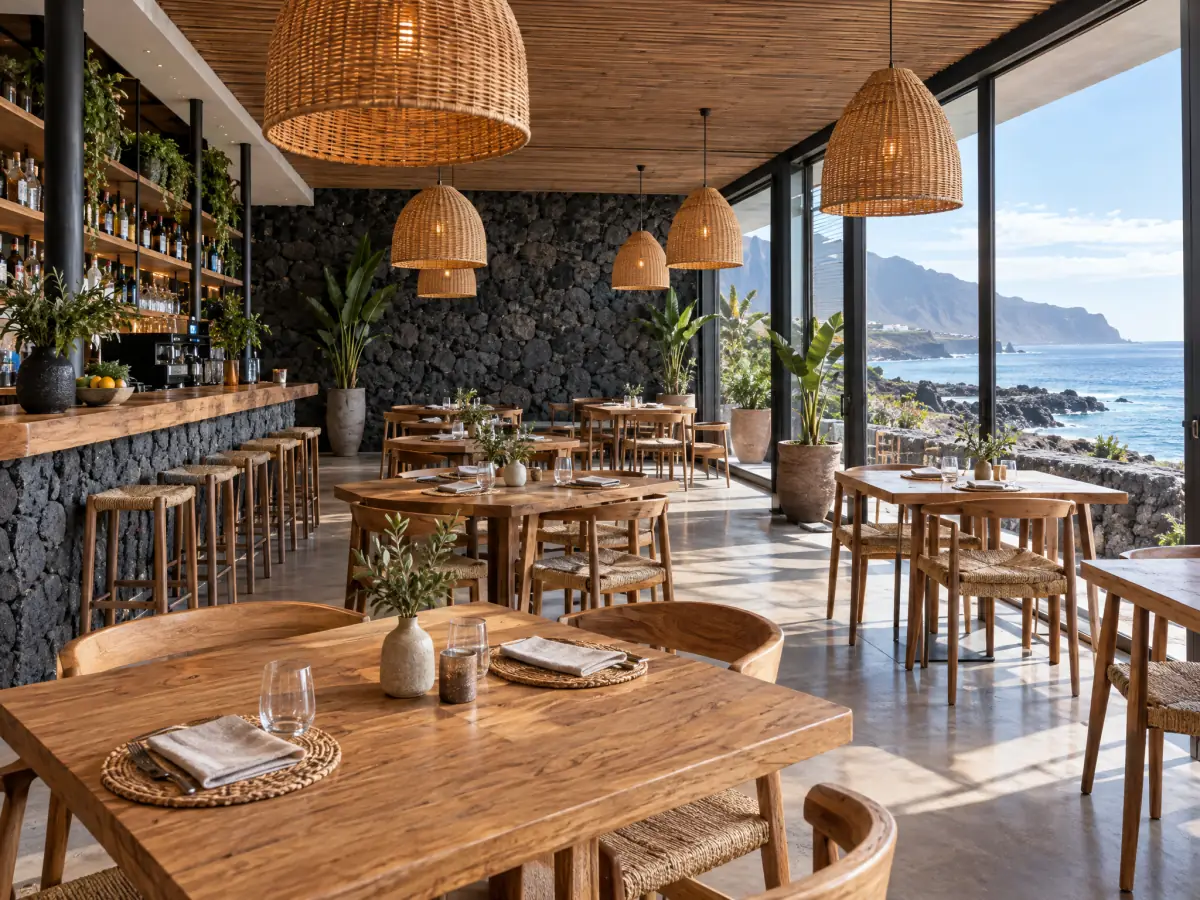
Renovating without closing, or closing as little as possible
Almost all the hospitality projects we plan fall into one of these three scenarios, and it’s worth identifying yours before asking for a quote.
- Works floor by floor or wing by wing with the hotel open: one block of rooms is renovated while the rest operates, with access and goods lift kept separate from guests.
- A window between seasons: everything is concentrated into the period of lowest occupancy, with more teams at once and a schedule fixed day by day.
- A short, total closure: when the works affect the main installations or the kitchen and there’s no way to keep the service running. What you’re buying here is speed.
- In restaurants, the most common variant is renovating the dining room while keeping the terrace open, or the other way round, so as not to lose the whole service.
- In every case, the first step is to agree what noise is acceptable and at what times, because that’s what most affects the experience of guests who are still staying.
Commercial kitchens: where it gets most complicated
The kitchen is the most technically demanding area of any restaurant renovation. It brings together smoke extraction, ventilation, high-power electrics, hot water, drainage with a grease trap and surfaces that have to withstand daily cleaning with aggressive products. Each of those elements has its own regulations, and extraction is also the one that causes the most problems with neighbours when it isn’t done properly.
Our advice is always the same: define the kitchen equipment before designing the installation, not after. It’s surprisingly common for a kitchen to be renovated and then a machine arrives that needs more power, another water connection or a hood of a different size. Redoing it costs much more than talking it through in time.
Where we offer this service
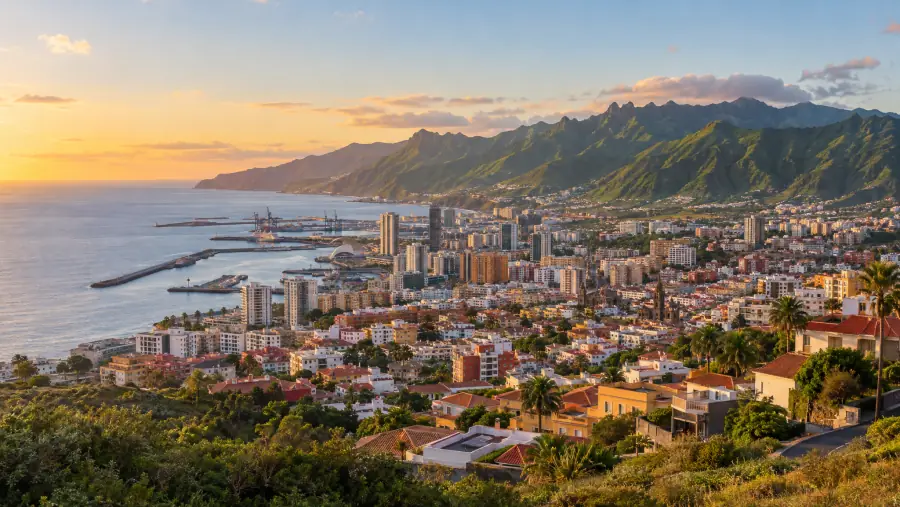
Across the whole island of Tenerife. Our office is in Arona, and we work in all four areas: the metropolitan area, the north, the south and the Güímar Valley. The site visit is free in every municipality.
Frequently asked questions
The questions we are asked most often on site visits. If yours is not here, ask us directly.
Can we keep the hotel open during the renovation?
In most cases yes, renovating floor by floor or wing by wing and keeping works routes separate from guest routes. What needs agreeing beforehand is the noise regime: at what times breaking-out work is allowed and which zones are out of service each week. If the works affect the main installations, there will be specific shutdowns, which are planned well in advance.
Can you commit to an opening date?
We can commit to a detailed schedule and to the timescales that depend on the works, and we do so in writing. What we won’t do is sign up to a date while ignoring delivery times or a council process we don’t control. If the schedule you need isn’t realistic, we’ll tell you before signing, not after.
What permits are needed to renovate a restaurant?
It depends on the scope. A refresh of the finishes usually goes through as minor works (obra menor) or a prior notification (comunicación previa). As soon as you touch the extraction, the kitchen layout, the occupancy or the evacuation conditions, the activity licence (licencia de actividad) and its technical documentation come in, and sometimes the one you already have has to be modified. It’s checked before starting, because opening without it isn’t an option.
How many days does each room take?
It depends on the scope of each unit and, above all, on the effect of repetition: the first room always takes longer than the tenth, because by then the trade has the process down and the materials on site. That’s why it’s planned in blocks and not one room at a time. On the site visit, once the scope is defined, we give you an estimated pace per unit and the resulting schedule.
Who carries out the work?
We plan, quote, schedule and coordinate, and the work is carried out by professional tradespeople from the island hired for your job. In hospitality that coordination is exactly what decides the outcome: fifteen trades coming in in the right order and on the right day is the difference between opening on time and not opening.
Related services
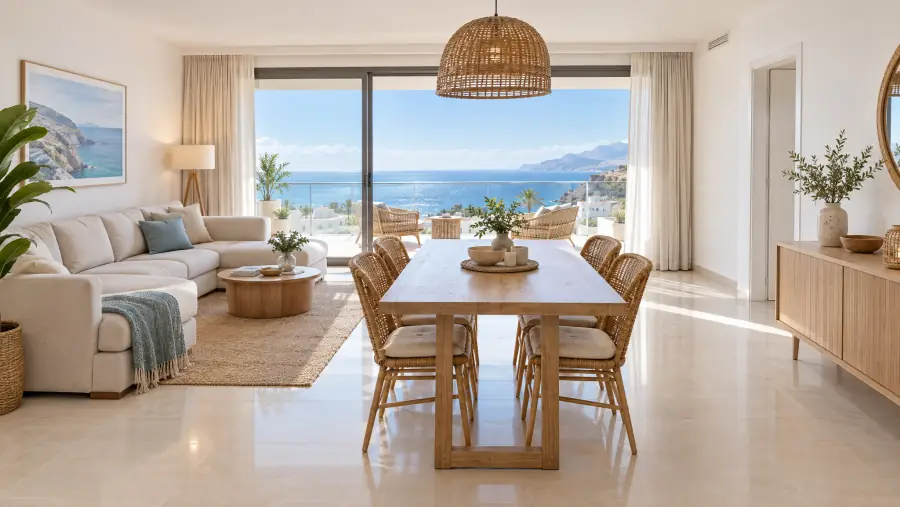
Holiday rental and tourist apartment renovation
Renovating a holiday rental apartment in Tenerife between seasons: a fixed timeframe, hard-wearing materials and works planned so you don’t lose bookings.
View the service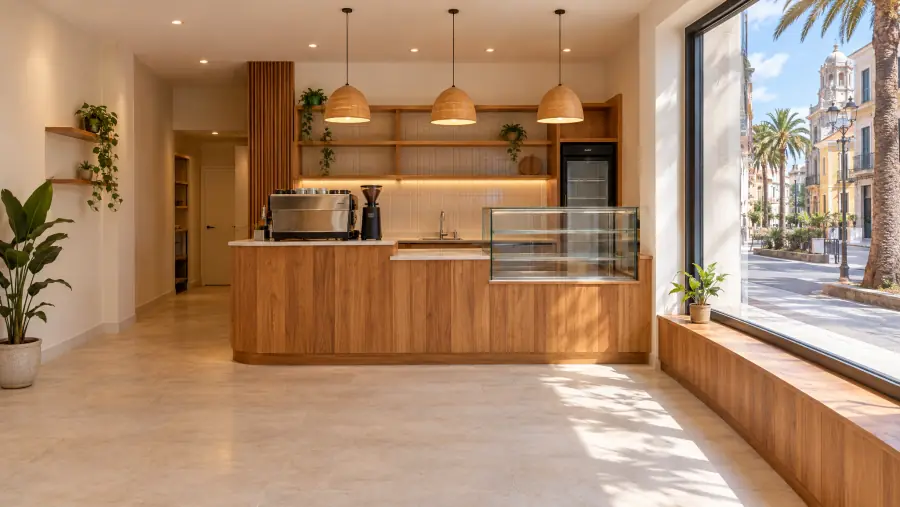
Commercial premises renovation
Commercial premises fit-out in Tenerife: project, activity licence, works and trade coordination to a fixed timeframe, so you can open on the planned date.
View the service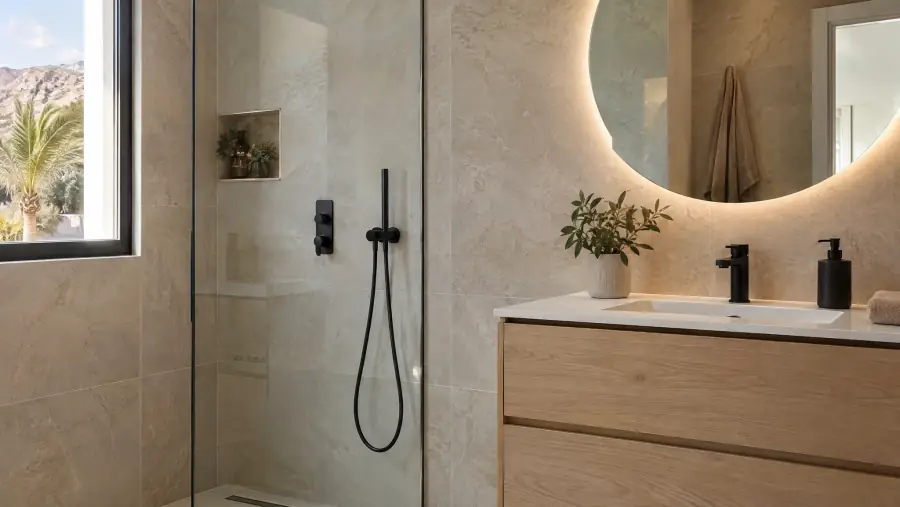
Bathroom renovation
Bath to shower, plumbing, tiling and sanitaryware. Complete bathroom from €3,000 to €8,500.
View the service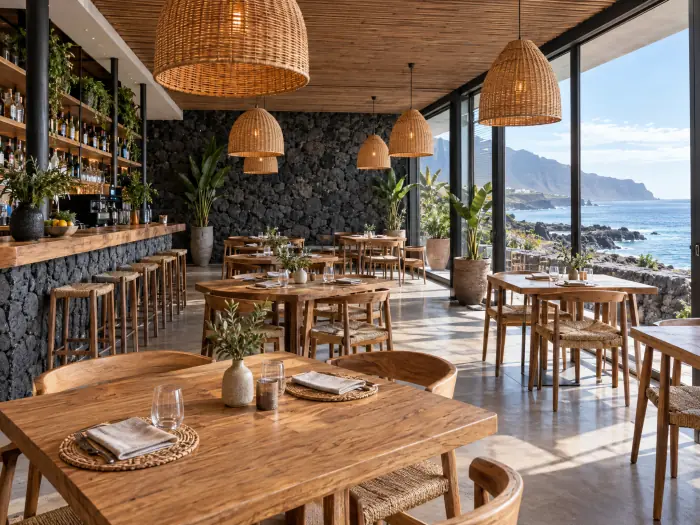
Tell us what you need
We call you within 24 working hours, in English, to arrange the visit. Free and with no commitment.
- Free site visit anywhere on the island
- Fixed-price quote, itemised line by line
- Your details are not passed on to third parties
Prefer to talk? +34 822 263 441
Shall we put a price on your renovation?
Tell us what you want to do and where on the island. We call you, visit the property and send you a fixed-price quote, itemised line by line. No cost and no commitment.