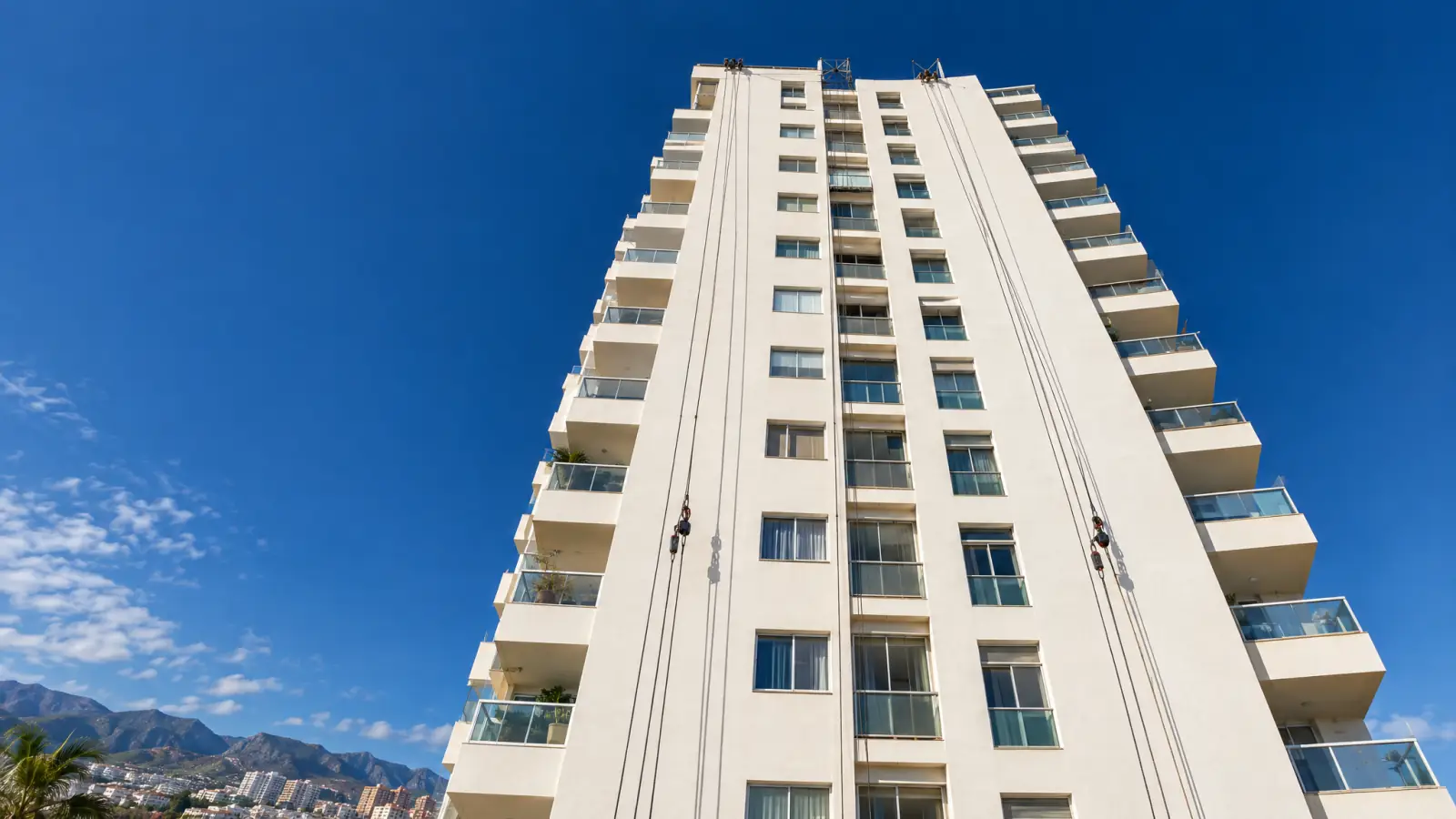
Rope access work in Tenerife
When a facade needs repairing, joints need sealing or a roof needs checking at height, putting up scaffolding isn’t always worth it: it adds cost, takes over the public pavement and stretches the timescale. Rope access handles one-off repairs and tall buildings on ropes. Here we explain when it’s the sensible option and when it isn’t.
Free site visit and quote anywhere on the island. Reply within 24 working hours, in English.
Rope access work means reaching the facade or the roof using rope access techniques, without scaffolding or an aerial work platform. It pays off when the job is localised, when the building is tall, when scaffolding won’t fit or when taking over the pavement for weeks is a problem.
It isn’t always the best option. If render has to be hacked off and redone across the whole surface, or work is needed on many square metres at once, scaffolding usually works out cheaper and faster. We’ll tell you so even if it means this service isn’t the one for you: it’s the comparison we make on the site visit.
Rope access work at height is carried out by operatives with the specific training and qualifications required for this technique, hired for each job. Before we start, we give you the certification of whoever is going up and the insurance covering the work.
What this service includes
- Prior inspection of the facade or roof. Before quoting you have to see what’s really going on: cracks, loose render, damp or open joints are diagnosed differently depending on their cause.
- Repairing cracks and localised loose render. Cutting back the damaged area, replacing the material and finishing it flush with the rest of the wall.
- Sealing joints and junctions. Window perimeters, expansion joints and roof junctions, which is where water gets in for most facade damp.
- Waterproofing and painting at height. Applying coatings and waterproofing to wall sections that can be reached by rope.
- Installing and checking elements at height. Anti-pigeon netting, anchors, downpipes and small facade elements.
- A photographic report of what we find. Often the value lies in going up and seeing close up what can’t be seen from the street, especially for a community of owners that has to make a decision.
What is NOT included
This list matters as much as the first one, and hardly anyone publishes it. Any of these items can be added to the quote: what we don’t want is for them to turn up halfway through the job as a surprise.
- Full facade restoration, which because of the area and the equipment involved is better done from scaffolding and is quoted as a different job.
- Works affecting the building’s structure, which require a project and technical supervision before anything is touched.
- Council fees for occupying the public highway if the pavement below the work area ends up needing to be cordoned off.
- Removal of asbestos-containing materials, which can only be done by a company listed on the relevant register and is contracted separately.
- Managing agreements with the community of owners (comunidad de propietarios) or with neighbours affected by access to the roofs.
How much it costs in Tenerife
We don’t publish a fixed rate for rope access work because we don’t have our own documented range, and a made-up figure here would be no use to you. What we can explain is what the person pricing it looks at.
- The nature of the work is what counts: sealing twenty metres of joint is not the same as hacking off and replacing render on several wall sections. It’s priced per unit of work, in linear metres or square metres depending on the case.
- The height and the number of drops. Each work line needs anchors rigged at the top, and a facade that forces you to reposition many times takes more hours than one with clean access.
- Preparing the anchor points. If the roof has secure points to tie off to, rigging is quick; if they need to be created or reinforced, that’s a line item in itself.
- The wind, which on the island is no small detail. There are orientations and areas where the working windows are shorter, and that stretches the job.
- The comparison with scaffolding. We always work out what it would cost with scaffolding, because beyond a certain area working on ropes stops making sense, and we’re not going to recommend whatever suits us.
Any figure given over the phone is a guide, subject to the prior inspection. In the Canary Islands IGIC, the local indirect tax, is charged instead of VAT, and it is always shown separately on the quote.
Timeframes
1–5 days
Most one-off jobs are done in a few days, because there’s no scaffolding to put up or take down. How long it takes depends mainly on the area to be treated and on the curing or drying times of the materials, which can’t be rushed. Wind is the other factor: there are days when it simply isn’t safe to work at height, and when that happens, work stops. For large jobs it’s best to leave some slack in the calendar.
How we work
We manage the works, and they are carried out by professional tradespeople from the island, chosen by us for each line item. We don’t have a crew on the payroll and would rather say so up front: you sign one contract, speak to one person and we answer for the whole job. We explain it plainly in about us.
- Site visitWe come to the property, measure up and check the plumbing and electrics. Free.
- Fixed-price quoteWithin 3–5 days: every line item with price, finishes and timeframe.
- Permit and scheduleWe handle the permit and line up the trades with no dead time.
- Supervised worksProgress updates with photos. Any change is approved before it is made.
- HandoverFinal walk-through with you and a closed snagging list.
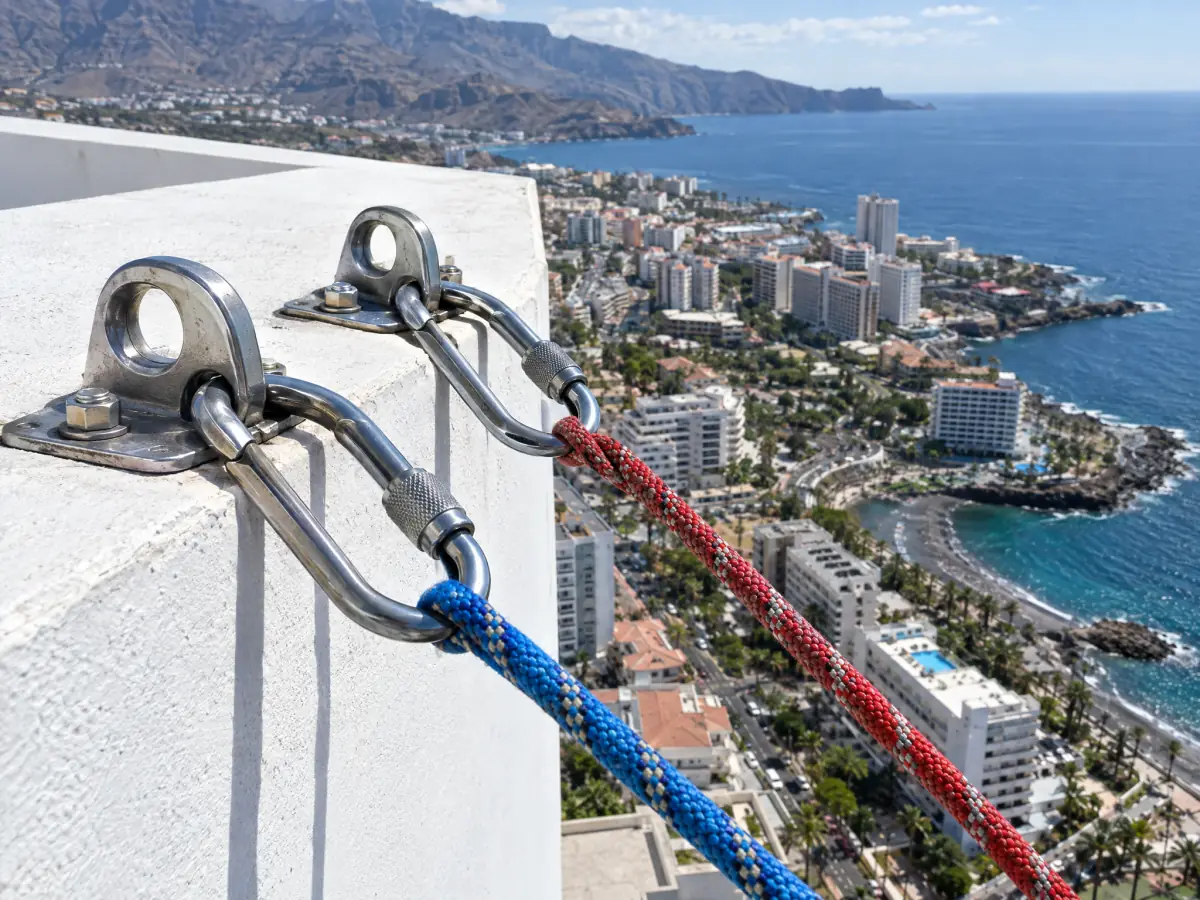
When ropes beat scaffolding, and when they don’t
The short answer is that ropes win on localised and tall jobs and lose on extensive ones. These are the cases we see most often on the island.
- They win when a specific area of a multi-storey building needs repairing and putting up scaffolding for that would be out of all proportion.
- They win when the building faces straight onto a narrow street or a pavement that can’t be taken over for weeks.
- They win when the community needs a close-up inspection to decide what to do before committing to a big job.
- They lose when work is needed across the whole facade: there, scaffolding is far more productive.
- They lose when the job means stockpiling heavy materials or bulky tools at the work face.
Seafront facades: what we find most often
On the seafront, salt and humidity attack relentlessly. What turns up most when we go up are rusted railing anchors that swell and burst the concrete around them, window seals cracked by the sun and reinforcement showing through at slab edges. They are almost always problems that have been advancing quietly for years and can’t be seen from the street.
Repairing early is much cheaper than waiting. A rusted anchor treated in time is a morning’s work; the same anchor three years later may have damaged the whole slab edge.
Where we offer this service
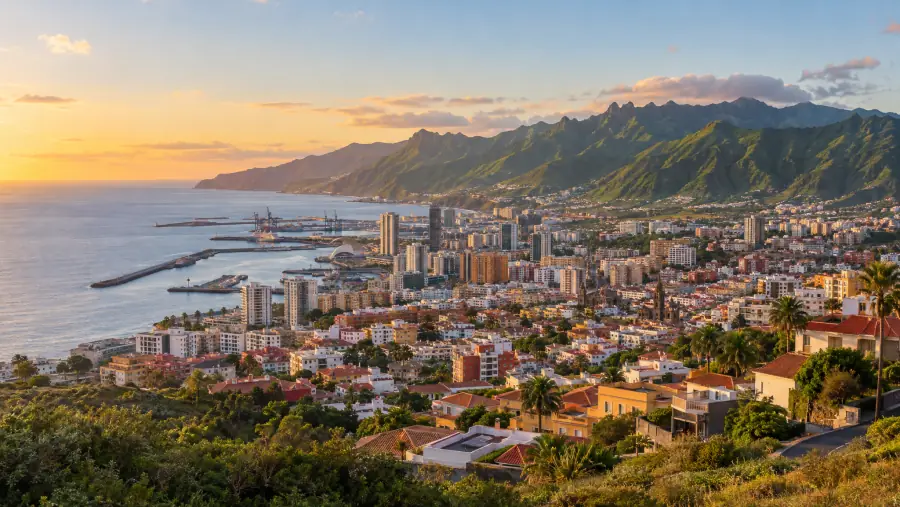
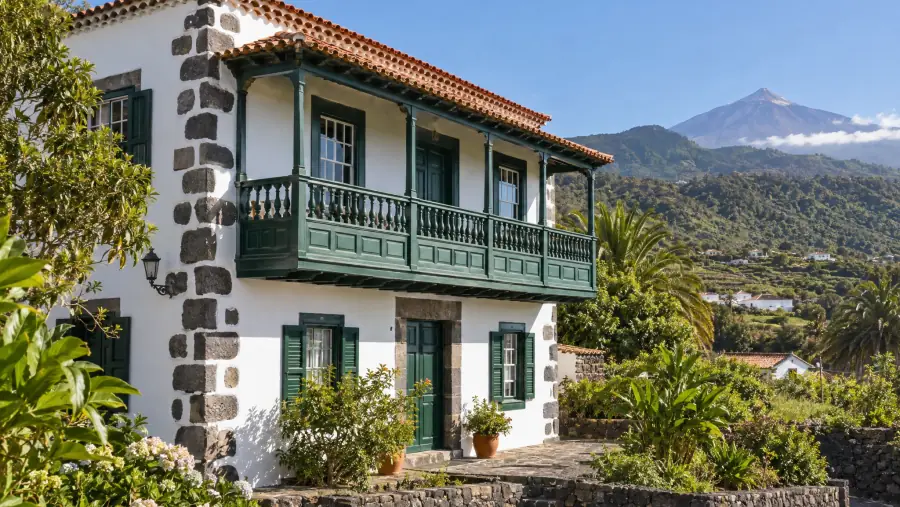
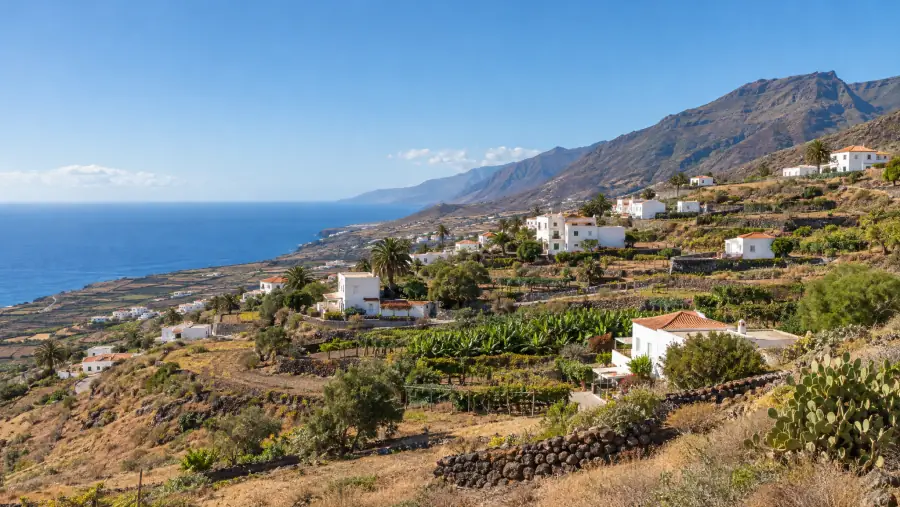
Across the whole island of Tenerife. Our office is in Arona, and we work in all four areas: the metropolitan area, the north, the south and the Güímar Valley. The site visit is free in every municipality.
Frequently asked questions
The questions we are asked most often on site visits. If yours is not here, ask us directly.
Is rope access safe on a residential building?
It is when it’s done by people with specific rope access training, using a two-rope system, inspected equipment and a cordoned-off exclusion zone below. Safety doesn’t lie in the technique in the abstract; it lies in who applies it and how the working day is prepared. Before we start, we tell you who is going up and what certification they hold.
Do I need the community’s permission?
For work on communal elements, yes: the decision belongs to the community of owners. If you own a home and the problem is on your terrace or your window, your authorisation is normally enough, but access to the communal roof is almost always needed for anchoring, and that has to be notified and agreed beforehand.
Can a whole facade be painted by rope access?
Technically it can, but on large surfaces it almost never pays off compared with scaffolding. What does make sense is painting by rope specific wall sections, high strips or hard-to-reach areas that scaffolding can’t reach well.
What happens if it’s windy on the planned day?
Work stops. That’s all there is to it. In Tenerife there are orientations and times of year with gusts that make work at height unfeasible, and forcing it is exactly what mustn’t be done. That’s why we leave spare days when planning and let you know in advance if the date has to move.
Can you give me a report to justify the work to the community?
Yes, and it’s one of the most useful things about this service. We go up, photograph the real condition close up and document what’s there. With that, the owners’ meeting (junta de propietarios) can decide on the basis of information rather than impressions from the pavement.
Related services
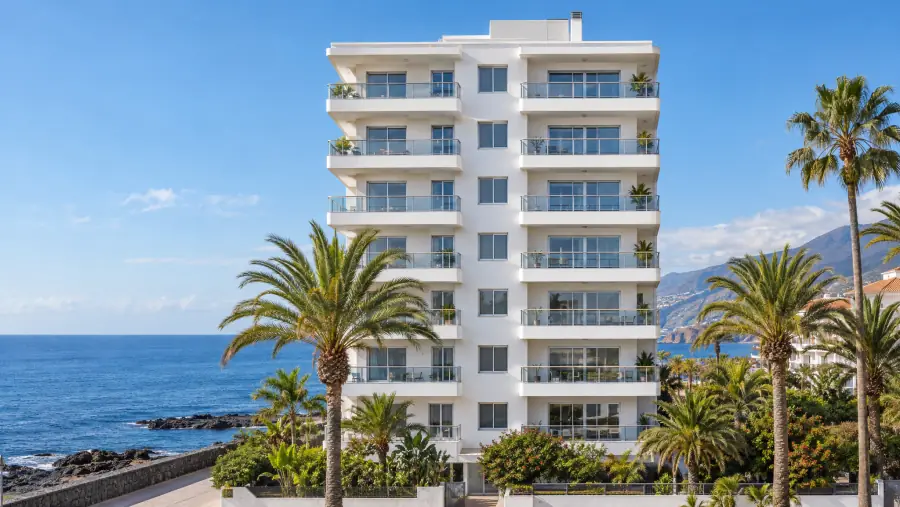
Facade restoration and external wall insulation
Facade restoration in Tenerife: repairs, damp, external wall insulation and painting. Survey first, then a fixed-price itemised quote for communities.
View the service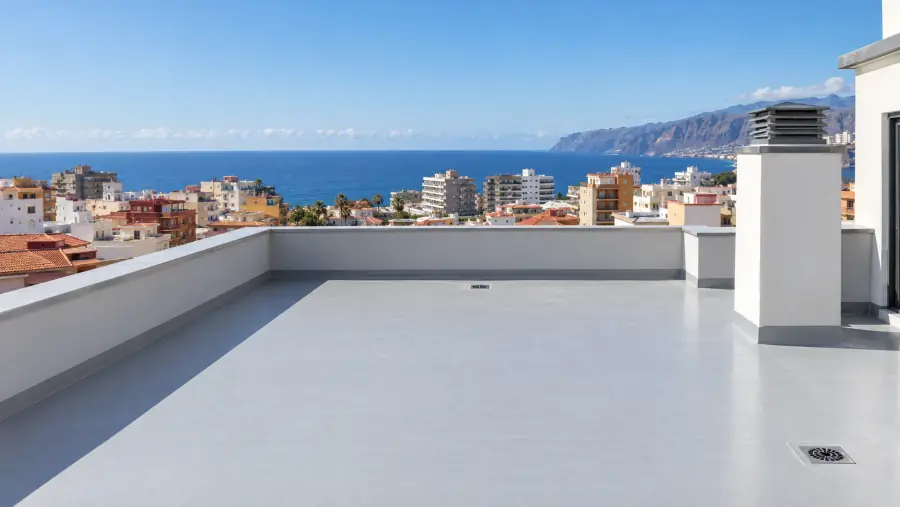
Roof and flat roof waterproofing
Roof waterproofing in Tenerife: we find where the leak really comes from before quoting, and repair to suit the roof. We speak English.
View the service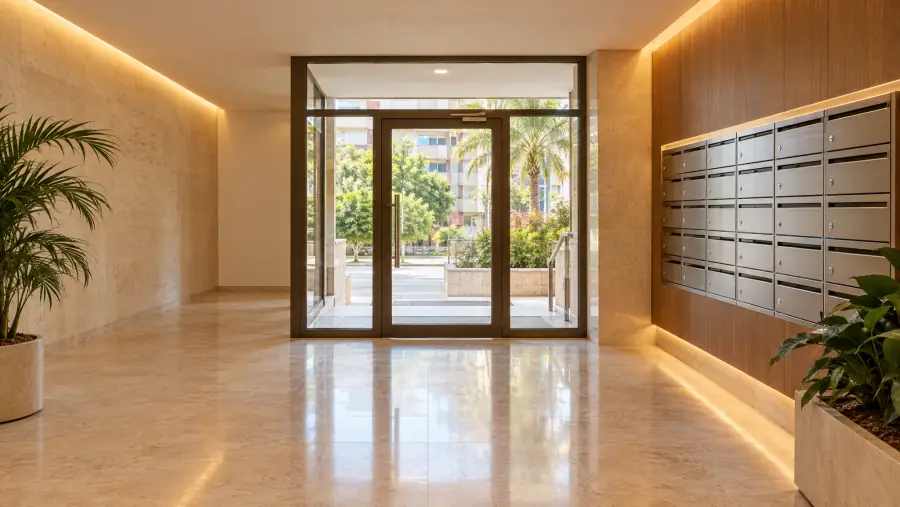
Renovations for communities of owners
Communal area renovations in Tenerife: facade, roof, entrance hall and shared services. An itemised quote for the owners’ meeting and one point of contact.
View the service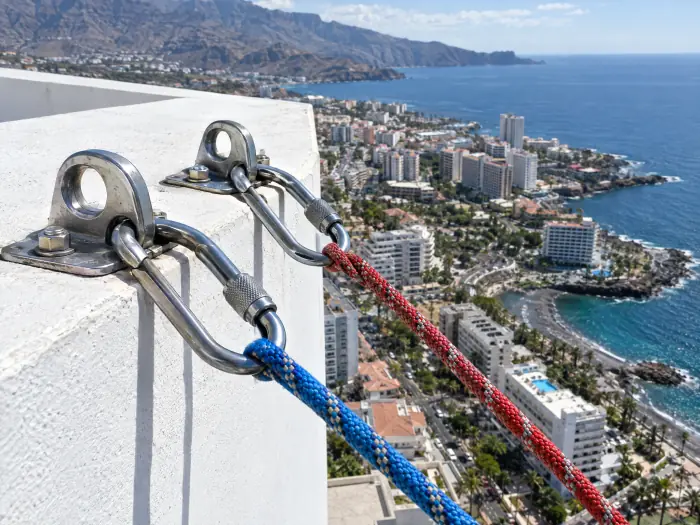
Tell us what you need
We call you within 24 working hours, in English, to arrange the visit. Free and with no commitment.
- Free site visit anywhere on the island
- Fixed-price quote, itemised line by line
- Your details are not passed on to third parties
Prefer to talk? +34 822 263 441
Shall we put a price on your renovation?
Tell us what you want to do and where on the island. We call you, visit the property and send you a fixed-price quote, itemised line by line. No cost and no commitment.